Qurbani Project 2025: Sharing the Blessings of Eid al-Adha
Eid al-Adha is a time of faith, generosity, sacrifice, and compassion. The tradition of Qurbani reflects the values of devotion and sharing, reminding communities of the importance of standing beside those in need. For vulnerable families in Yemen, access to fresh meat can be limited by poverty, displacement, and difficult living conditions.
The Qurbani Project 2025 aims to support disadvantaged families by facilitating the distribution of sacrificial meat during the blessed days of Eid al-Adha. Through this initiative, the project seeks to help vulnerable households enjoy Eid meals, ease some of their food-related burdens, and experience the spirit of solidarity and generosity that defines the occasion.
Project Objectives
- Support vulnerable families: Provide eligible low-income and disadvantaged households with Qurbani meat during Eid al-Adha.
- Improve access to nutritious food: Help families access a valuable source of protein as part of their Eid meals.
- Share the joy of Eid: Enable families experiencing hardship to participate in the celebration with dignity.
- Strengthen community solidarity: Encourage cooperation, generosity, and compassion between donors and communities in need.
- Prioritize those most in need: Direct assistance toward vulnerable households according to assessed needs and established beneficiary criteria.
Who Benefits from the Qurbani Project?
The project aims to prioritize families facing severe economic hardship and food insecurity. Depending on the project's selection criteria, beneficiaries may include displaced households, low-income families, widows, orphans, older people, and families with limited or unstable sources of income.
How the Project Works
1. Identifying Beneficiary Families
Families are to be identified according to clear eligibility criteria and assessed needs, helping ensure that assistance is directed toward the most vulnerable households.
2. Procuring and Preparing Sacrificial Animals
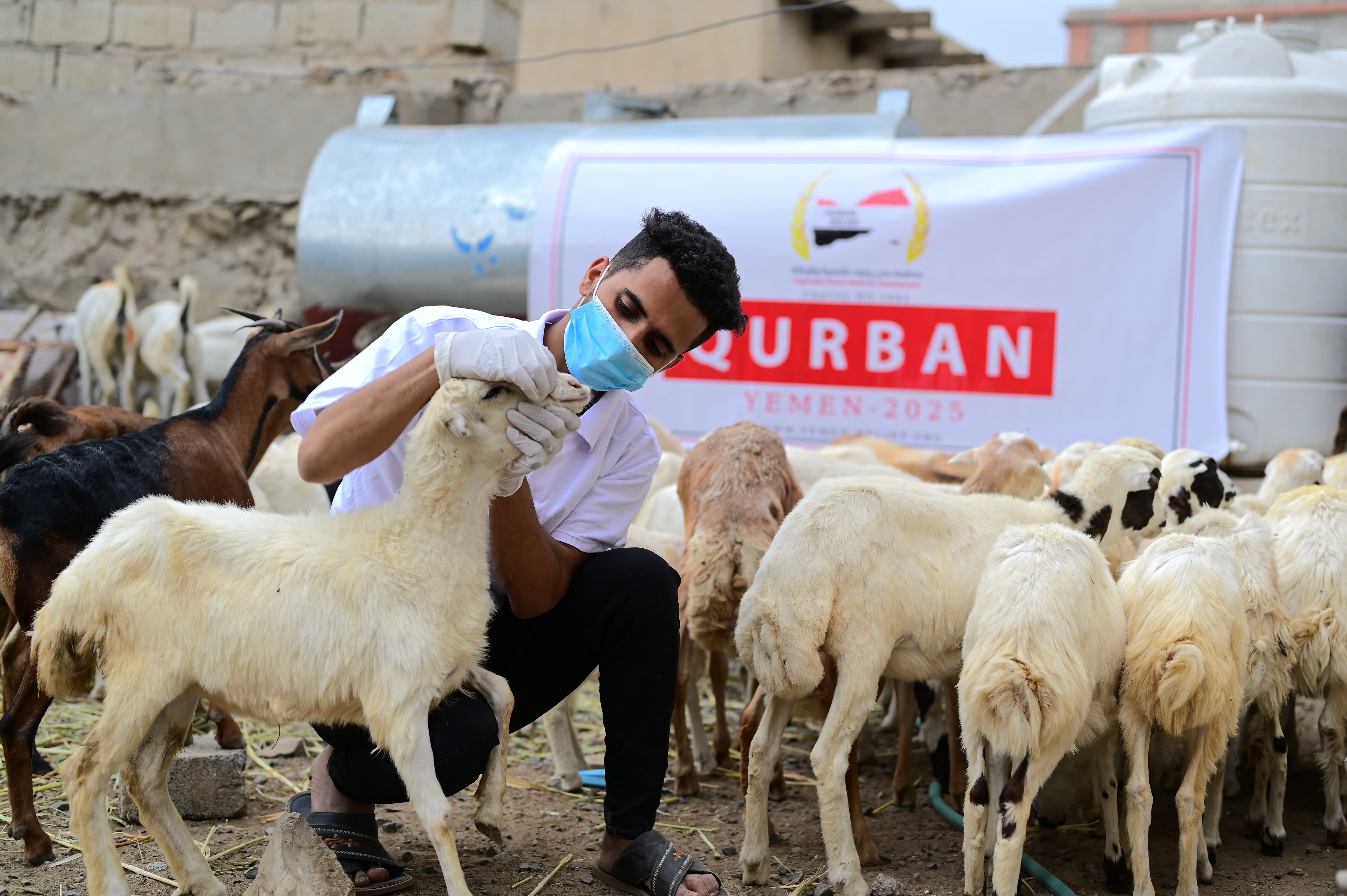
Sacrificial animals should be selected and handled in accordance with applicable Islamic guidelines, animal welfare considerations, and relevant health and safety requirements.
3. Slaughtering and Meat Preparation
Slaughtering and meat preparation should be carried out by qualified personnel in suitable facilities, with appropriate attention to hygiene, meat safety, and the requirements of Qurbani.
4. Distributing Meat to Families
Distribution should be organized fairly and respectfully, with appropriate packaging, safe handling, and arrangements designed to help eligible families receive their share in a timely manner.
The Importance of Qurbani
Qurbani is more than a seasonal food assistance activity. It is an expression of faith, generosity, and social responsibility. Sharing sacrificial meat helps strengthen bonds within communities and reminds us that the joy of Eid is more meaningful when it is shared with others.
For families who struggle to afford meat, receiving a Qurbani portion can provide an important opportunity to prepare a special meal and celebrate Eid with their loved ones.
Our Commitment to Dignity and Accountability
The project aims to uphold the dignity of beneficiaries through fair selection, respectful communication, and organized distribution. Appropriate monitoring and accountability measures can help improve transparency and ensure that assistance is directed according to the project's objectives and available resources.
Be Part of the Giving
Your support can help extend Qurbani assistance to families who may otherwise be unable to enjoy sacrificial meat during Eid al-Adha. Donors, charitable organizations, and community partners can contribute to efforts that share food, hope, and compassion with vulnerable households.
Together, we can help make Eid al-Adha a time of greater joy, solidarity, and generosity. The Qurbani Project 2025 reflects the enduring spirit of sharing and the belief that every family deserves to celebrate this blessed occasion with dignity.
