Zakat Project 2026: Supporting Families in Need
Zakat is one of the fundamental pillars of Islam and an essential form of charitable giving that promotes social justice, compassion, and solidarity. It helps eligible individuals and families facing financial hardship access essential resources and maintain a dignified standard of living.
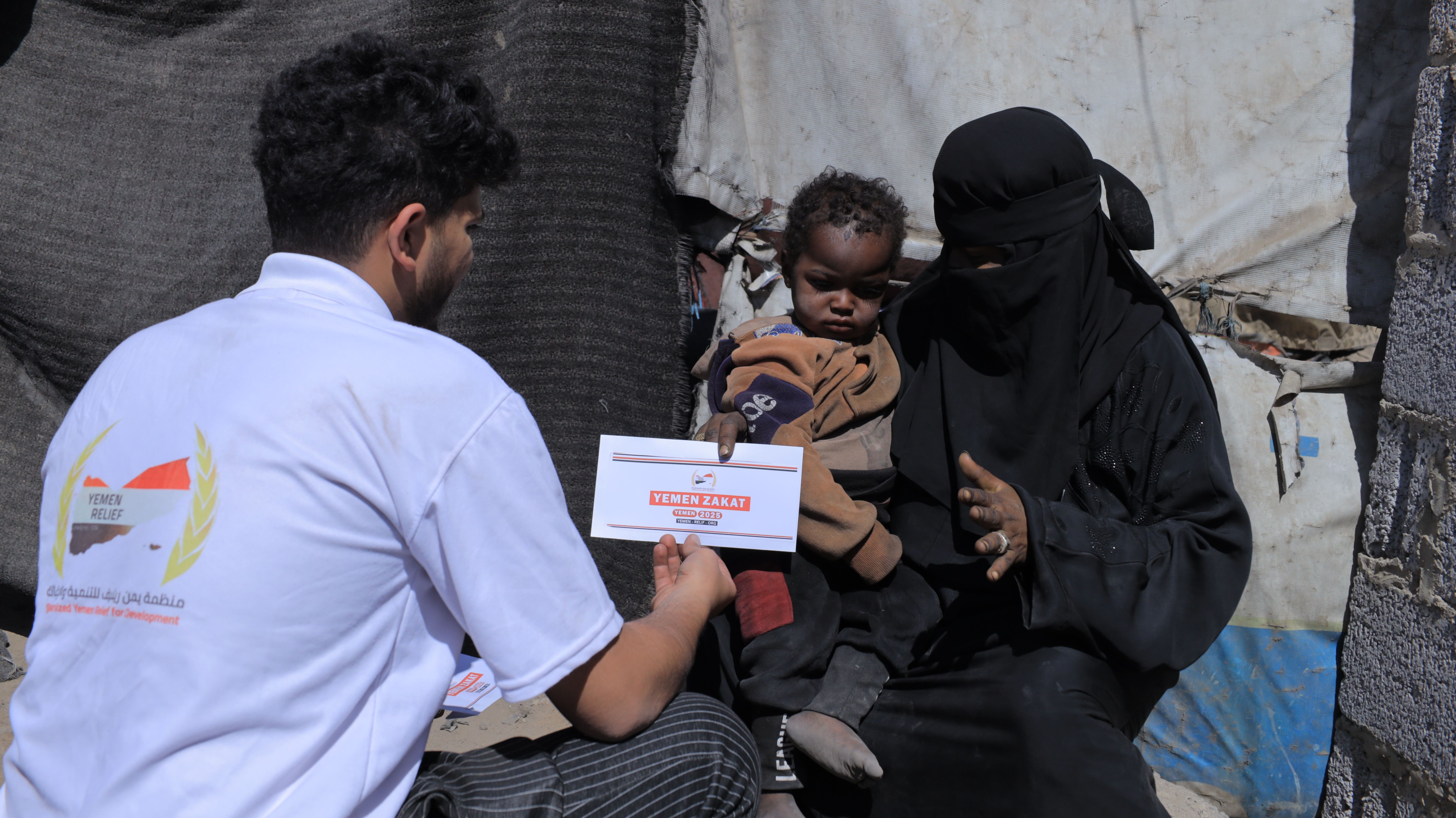
Through the Zakat Project 2026, we aim to support eligible beneficiaries across Yemen by directing Zakat contributions to those who qualify under Islamic principles. The project seeks to ease financial burdens, address essential needs, and strengthen the spirit of mutual support within communities.
Key Objectives of the Zakat Project
- Supporting Eligible Families: Helping families experiencing financial hardship meet essential living expenses according to their needs and eligibility.
- Assisting Vulnerable Individuals: Providing support to eligible individuals who face economic difficulties and limited access to essential resources.
- Meeting Essential Needs: Helping beneficiaries access basic necessities, including food and other essential household requirements, where appropriate.
- Promoting Social Justice: Contributing to a more caring and supportive society by directing Zakat to eligible recipients.
- Responsible Zakat Distribution: Seeking to ensure that contributions are managed responsibly and distributed in accordance with Islamic principles and applicable guidelines.
Who Can Benefit from Zakat?
Zakat is intended for eligible recipients identified in Islamic teachings. Depending on assessed circumstances and applicable guidelines, beneficiaries may include people experiencing poverty, families with insufficient income, and other individuals who qualify under the established categories of Zakat recipients.
The identification of beneficiaries should be based on eligibility, actual needs, and the relevant Islamic requirements to help ensure that Zakat reaches those entitled to receive it.
How Zakat Makes a Difference
Zakat can provide meaningful relief to people facing financial hardship. By helping eligible beneficiaries meet essential expenses, it can reduce economic pressure, support household stability, and contribute to stronger and more resilient communities.
Beyond financial assistance, Zakat reflects the values of compassion, responsibility, and solidarity. It encourages Muslims to care for others and recognize the importance of supporting those who are most in need.
Our Commitment to Responsible Distribution
The Zakat Project 2026 emphasizes the importance of responsible management, appropriate beneficiary assessment, and distribution in accordance with Islamic principles. These practices help promote trust and ensure that contributions are directed toward eligible recipients.
Every stage of the process should prioritize the rights of beneficiaries, respect their dignity, and take their circumstances into consideration.
Supporting Communities Across Yemen
Many families face economic challenges that make it difficult to cover their basic needs. The Zakat Project seeks to contribute to relief efforts by supporting eligible households and helping them access the assistance they need.
Through Zakat, communities can strengthen bonds of solidarity, share responsibility, and work toward a society in which vulnerable individuals receive appropriate support.
Make Your Zakat Meaningful in 2026
Your Zakat can be an important source of support for eligible families and individuals facing hardship. By contributing through a responsible Zakat program, you can help uphold the principles of Islamic charity and support efforts to meet essential needs.
Together, we can promote compassion, protect human dignity, and strengthen community solidarity through the responsible distribution of Zakat in 2026.
```